Initial Fabric and Furniture Assessment
A specialist examines fibre composition, weave, and furniture condition to determine appropriate handling.
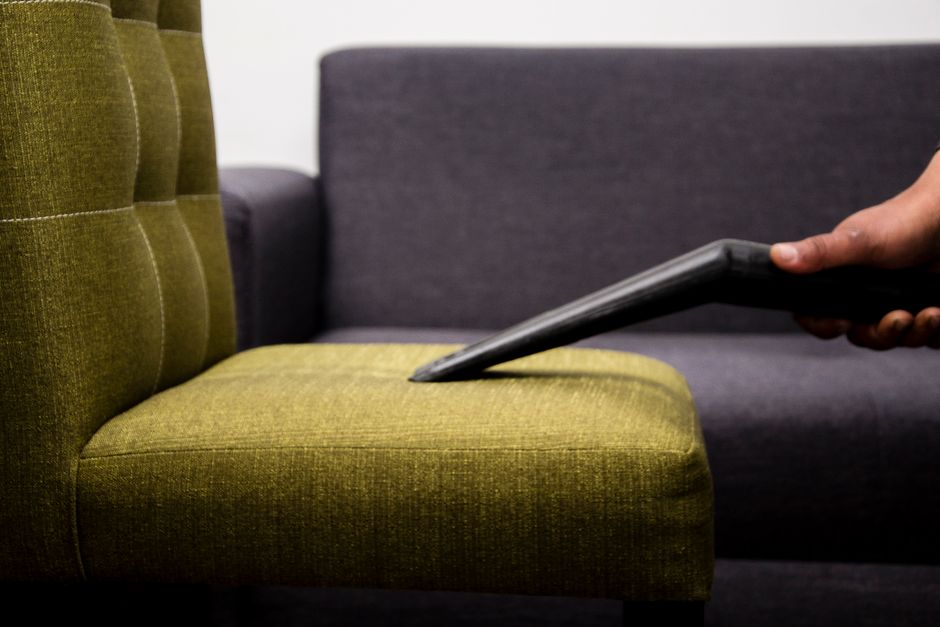
Fibre & Velvet provides information on fabric-appropriate cleaning methods for velvet, chenille, and similar delicate upholstery. The approach is selected based on the fabric type, with the aim of supporting gentle maintenance and informed care decisions.
Request a Fabric Assessment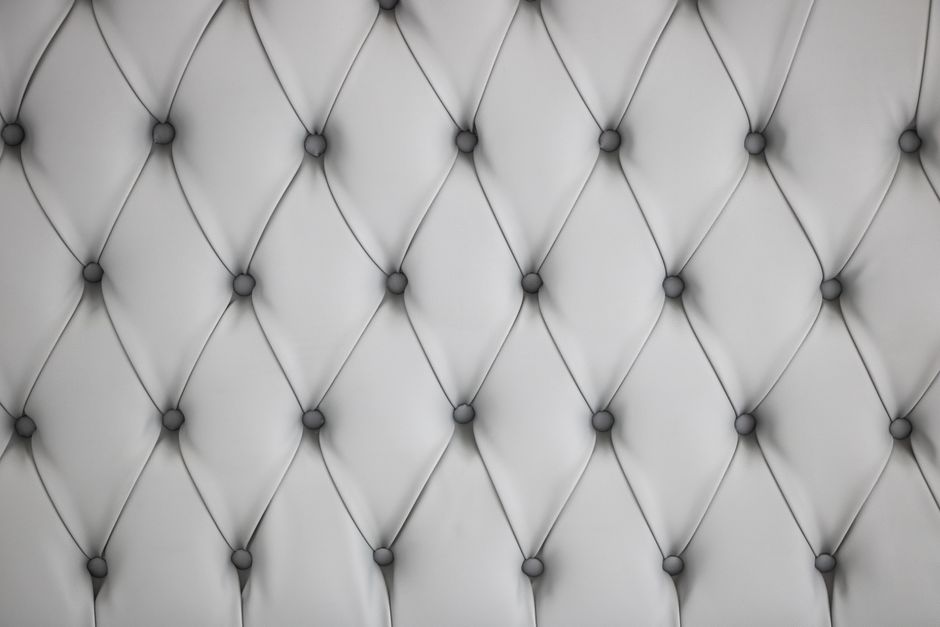
Fibre & Velvet provides a service dedicated to the care of delicate upholstery fabrics such as velvet, chenille, and similar sensitive materials. The company’s approach starts with a detailed identification of fabric characteristics, which then informs the selection of a suitable cleaning method. This process-focused framework is designed for owners of soft furniture made from delicate or easily damaged upholstery. By assessing material type first, cleaning is structured around established guidelines for textile care. The service emphasises transparency and methodology, recognizing that upholstery outcomes depend on multiple factors including fiber composition and the condition of the furniture.
Materials such as velvet and chenille have distinctive structures and fibre compositions that can be sensitive to inappropriate cleaning methods. Their pile or weave may respond poorly to excess moisture, heat, or certain agents, so a considered approach is preferable. Comprehensive assessment of fabric type, current condition, and other contextual factors informs method selection. Outcomes naturally vary depending on these variables and the existing state of the material, underscoring the value of an informed, methodical process.
A specialist examines fibre composition, weave, and furniture condition to determine appropriate handling.
Cleaning approach is chosen based on fabric type, with factors like soiling and construction taken into account.
The selected method is applied carefully, following established steps for delicate textiles such as velvet and chenille.
The process may vary depending on fabric response, environmental conditions, and other external influences.
My velvet sofa had a stubborn mark, and Fibre & Velvet's assessment led to a tailored cleaning method. The process was explained clearly, and the fabric now looks refreshed.
I appreciated the detailed fabric analysis before any cleaning. The technician tested a small area first and discussed options, which felt transparent and respectful of the delicate upholstery.
After researching delicate fabric care, I chose Fibre & Velvet for their systematic approach. The team documented each step, and while results vary, my chenille armchairs responded well.
Fibre & Velvet addresses a range of delicate upholstery fabrics, including velvet, chenille, and similar materials that require particular care. The cleaning method is selected by the technician according to the specific fabric type, with the choice of technique based on the material's characteristics. This approach reflects the varying responses of different textiles to cleaning processes. The service is structured to accommodate these variations, providing a framework for handling delicate fabrics without relying on a single method. The selection process considers fabric structure and condition, and the method is chosen accordingly.
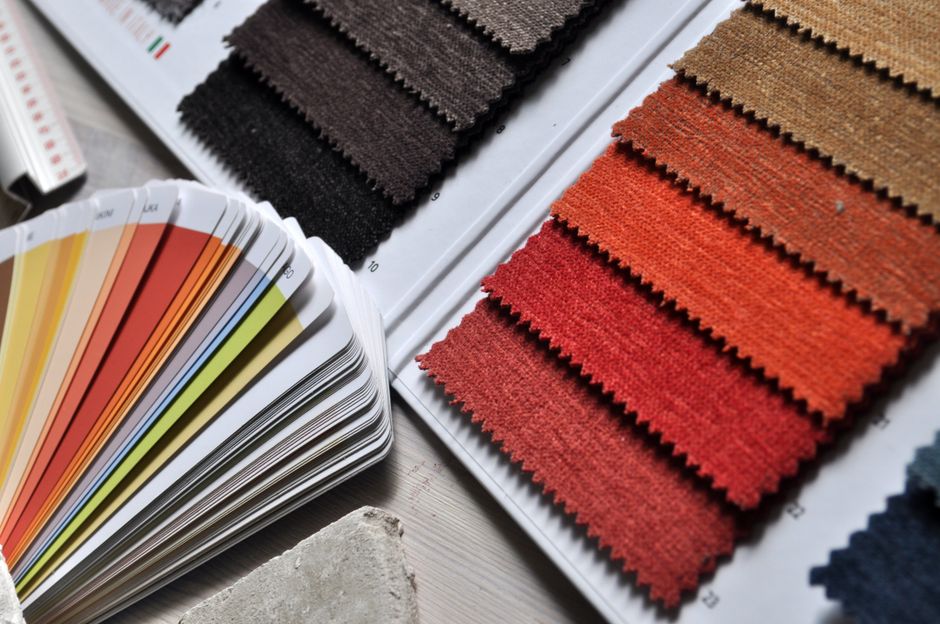
Identifying the fabric type before upholstery cleaning is a key step. Different delicate materials, such as velvet and chenille, may respond differently to various cleaning agents and methods; any reaction is contextual and can depend on factors like dye stability, fibre structure, and previous treatments. The selection of a cleaning approach is therefore determined by the specific material characteristics and existing condition, without universal recommendations. This assessment helps inform method choices within the service process, though outcomes may be influenced by external factors and professional judgement varies by individual case.
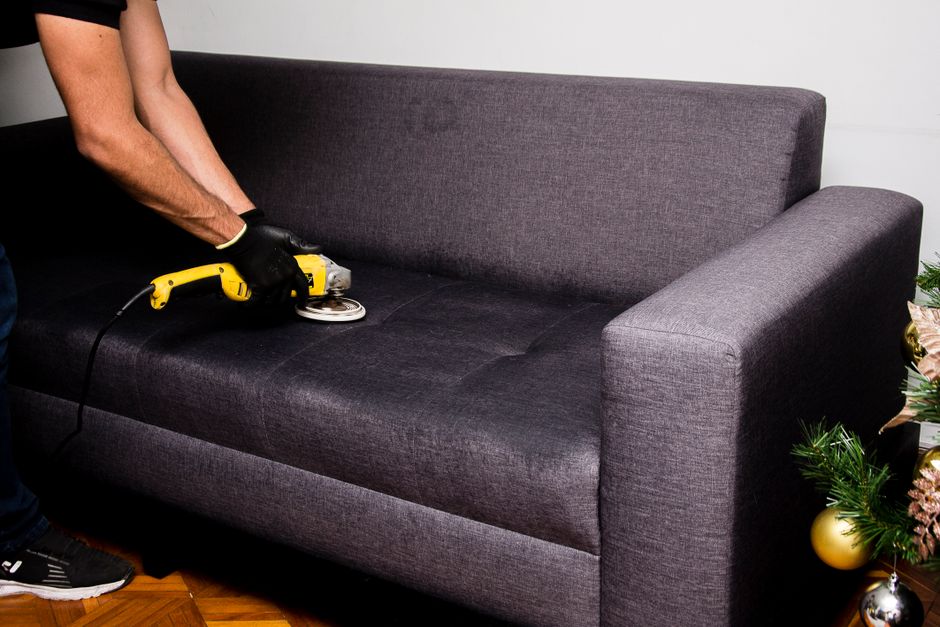
Cleaning methods are chosen according to upholstery type, structure and fibre composition before any treatment.
Velvet, chenille and similar fabrics are handled with methods adjusted to their sensitivity and texture.
Each stage follows a defined sequence from assessment to aftercare, documented for transparency.
Results depend on fabric condition, previous treatments and use, with no specific outcome guaranteed.
Delicate upholstery fabrics such as velvet, chenille, and similar materials each possess distinct structural traits, including pile direction, fibre density, and weave stability. Their response to moisture, heat, and mechanical action varies according to fibre type and finishing treatments. Consequently, cleaning outcomes for such textiles are not uniform and depend on multiple interacting variables: the specific fabric composition, surface condition, and environmental factors during any cleaning process. An understanding of these characteristics supports informed choices about appropriate cleaning methods without assuming particular results. Information provided about fabric behaviour is descriptive and does not replace professional evaluation of individual items.
Fibre & Velvet focuses on matching cleaning methods to specific fabric types. The service is designed for owners of soft furniture upholstered in sensitive materials such as velvet, chenille, and similar delicate fabrics. We begin by identifying the fabric composition and then select a cleaning approach accordingly, aiming to avoid unsuitable treatments. This process emphasises compatibility between the material and the method used, rather than applying a single universal technique. For those who wish to maintain the condition of their upholstery, our service offers a structured, fabric-aware option.

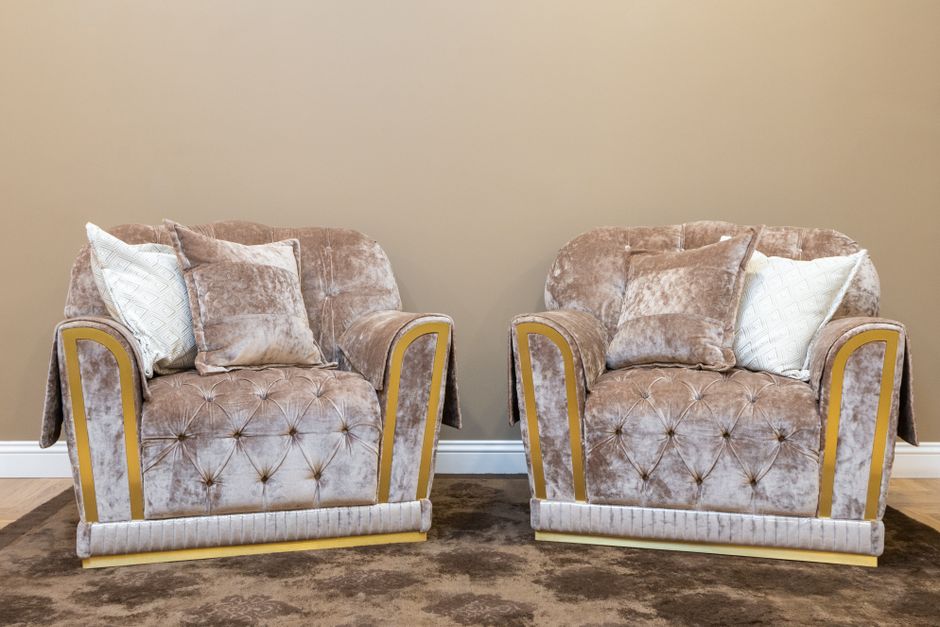
Each upholstery is examined to identify fibre type, weave, and condition before any cleaning begins.
Cleaning methods are chosen based on assessment results, with test patches used to check fabric response.
The process involves clear steps and communication, so clients understand what will happen at each stage.
Techniques can be modified during cleaning if fabric reactions require adjustments to the approach.
Fabric condition plays a significant role in how delicate upholstery responds to cleaning methods.Factors such as fibre integrity, colour fastness, and prior treatments can influence the cleaning process, and these are assessed on an individual basis.Environmental variables, including ambient temperature and humidity, may also affect the behaviour of certain fabrics during cleaning. In addition, the presence of embedded particles or spills can require tailored approaches. Given this variability, outcomes cannot be predicted with certainty and depend on the specific characteristics of each piece and its environment. Fibre & Velvet emphasises a contextual assessment before any method is applied, recognising that individual circumstances differ and that no single approach is universally suitable.
Fibre & Velvet treats upholstery cleaning as a matter of method and material, not a one-size-fits-all procedure. Because velvet, chenille and similar delicate fabrics vary in weave, density and fibre content, the starting point is identifying the fabric and understanding how it responds to moisture, friction and cleaning agents. The approach therefore works step by step: classify the textile, review its characteristics, and select a compatible cleaning method — whether dry, low-moisture or otherwise. Each technique has limits and is chosen on its suitability for a given fabric. This framework favours deliberate verification of fabric type and enables consistent, documented care.
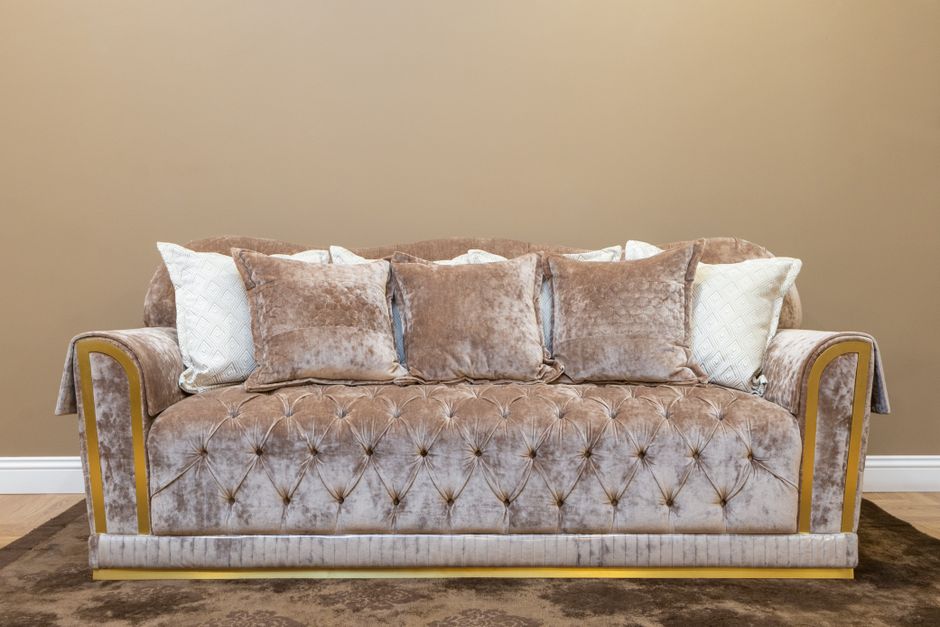
Analysis of fibre composition, weave, and condition to inform subsequent handling.
Evaluation of wear, stains, and fragile areas to tailor the approach.
Choice of cleaning technique and agents based on fabric characteristics and assessment findings.
Application of selected method with continuous monitoring, adaptable to external factors.
Visitors can contact Fibre & Velvet with questions about delicate fabric cleaning. The form below allows you to submit enquiries or requests for further information at any time.